Introduction: Can You Really Have Your Cake and Eat It Too?
Have you ever looked at your bank account at the end of the month and wondered where all your money actually went? It is a sinking feeling, right? We often fall into the trap of thinking that to save money, we have to live like a hermit, eating plain rice and never seeing our friends. But let me let you in on a secret: that is a complete myth. Saving money is not about deprivation; it is about intentionality. It is about making sure that every dollar you spend is actually bringing you joy or utility, rather than just disappearing into the void of bad habits.
The Psychology of Spending: Why We Buy What We Buy
Before we dive into the logistics, we have to look at the brain. Spending is often an emotional act. We buy things when we are stressed, bored, or trying to signal status to others. Think of it like an itch. The impulse to buy is a momentary distraction from something else. Once you recognize that your spending is a response to your mood rather than a response to your needs, you gain power over your wallet. It is like putting on a pair of glasses that suddenly makes the world look sharper.
Conducting a Financial Audit Without the Headache
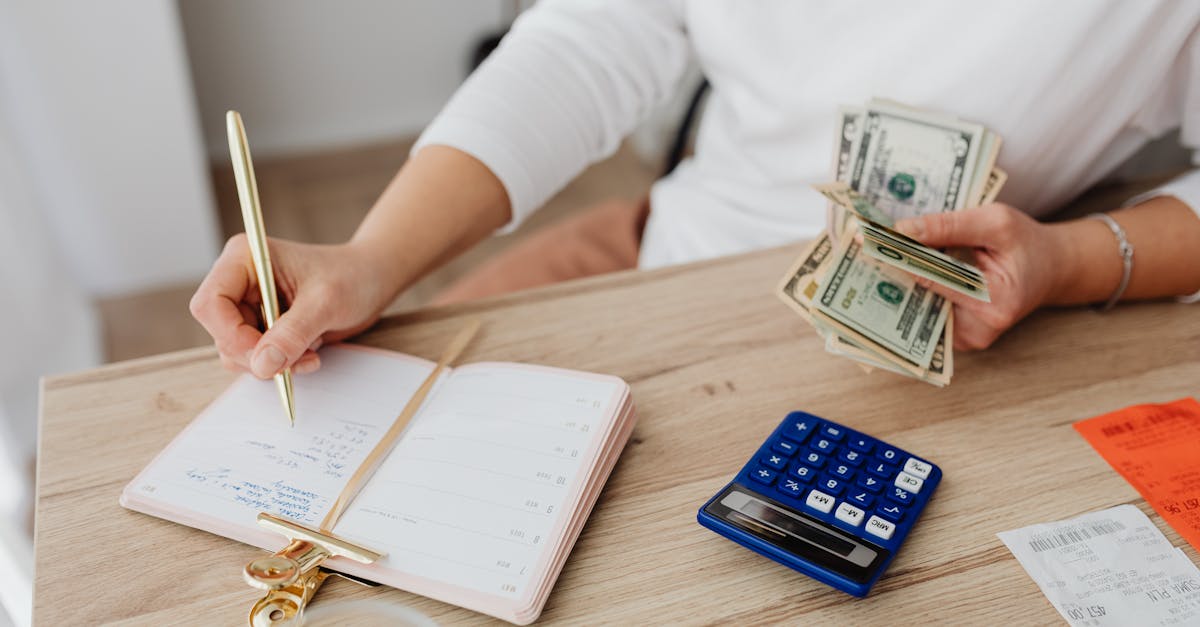
You cannot change what you do not track. I know, tracking expenses sounds about as fun as a root canal, but it does not have to be painful. You do not need a complex accounting degree. Just open your last three months of bank statements. Group your spending into categories like needs, wants, and leaks. Those leaks are the small charges you do not even remember making. Imagine your bank account is a garden hose; those small, forgotten subscriptions are the pinprick holes causing the water pressure to drop.
Subscription Purge: Cutting the Digital Cord
We are living in the golden age of the subscription model. Everything is a service now. When was the last time you checked how many streaming services, app subscriptions, or monthly boxes you are paying for? If you are paying for three different platforms but only watching one show on each, you are essentially lighting money on fire. Cancel them. You can always resubscribe later if you really miss them, but chances are, you will not even notice they are gone.
Smart Grocery Shopping Strategies
Food is one of the most flexible parts of your budget. You have to eat, but you do not have to eat like a king every single night unless you want to.
Buying in Bulk Versus Single Serve
We are conditioned to pay for convenience. When you buy single serving snack bags, you are paying a massive premium for the plastic and the labor of prepackaging. Buying in bulk is like investing in your future self. You might spend more upfront, but the cost per unit drops significantly. It is an investment that pays dividends every time you open the pantry.
The Truth About Generic Brands
Here is a hard truth: in many cases, store brands are manufactured in the exact same facility as the name brands. You are paying extra for the marketing budget of a large corporation. Try the generic version of your staples for a week. If you cannot tell the difference, why pay the extra dollars? Keep the change in your pocket.
Shrinking Your Utility Bills
Your utility bill is like a hungry monster that constantly grows if you do not tame it. It is mostly about changing small behaviors in your daily routine.
Energy Efficiency Hacks for Modern Homes
Are you heating or cooling an empty room? Programmable thermostats are game changers. Also, look at your light bulbs. Swapping out old incandescents for LEDs is a small task that saves you a surprising amount on your electricity bill over the course of a year. It is like plugging those holes in the garden hose we talked about earlier.
Water Conservation and Its Impact on Your Wallet
Water costs add up, especially if you have a lawn or an older home with leaky fixtures. Low flow showerheads are inexpensive to install and make a huge difference. Think of it as voting for your bank account with every turn of the faucet handle.
Transportation Hacks: Getting Around for Less
For most people, the car is the second largest expense after housing. If you can walk, bike, or use public transit even a few days a week, you are putting money back into your pocket. If you must drive, keep up with the maintenance. A car that is running efficiently uses less fuel. It is the difference between a rusty, squeaky bicycle and a well oiled machine.
Dining Out Without Giving Up Socializing
Nobody wants to be the person who never goes out. Instead of the expensive Saturday night dinner, suggest a brunch or a happy hour. You can still enjoy the company of your friends without the high price tag of a full multi course meal. Being social is about the people, not the check.
Finding Entertainment That Does Not Break the Bank
We have been conditioned to think that fun costs money. But what about the public library? What about local parks or hiking trails? What about a board game night at home? These activities provide just as much, if not more, connection and enjoyment than an expensive night out at the cinema or a loud nightclub.
Reviewing Insurance Premiums: The Silent Money Pit
When was the last time you compared your auto or home insurance rates? Loyalty to an insurance company often just means you are overpaying. Shop around every year or two. It takes an hour of your time, but it could save you hundreds of dollars. That is a pretty good hourly rate, right?
The Art of Negotiation: Asking for Lower Rates
Believe it or not, you can negotiate your internet, cable, and phone bills. Companies want to keep your business. Call them, be polite, and ask what promotions are available for loyal customers. You would be shocked at how often they will lower your bill just because you asked.
Optimizing Your Tech and Gadget Expenses
Do you really need the latest smartphone every single year? The technology in these devices has plateaued. Holding onto your phone for an extra two years can save you over a thousand dollars. It is a simple way to keep your lifestyle high while keeping your costs low.
The Power of Automation in Saving Money
The best way to save is to make sure you never see the money in the first place. Set up an automatic transfer to your savings account the moment your paycheck hits. If you do not see it, you will not spend it. It is like building a dam; you are just redirecting the flow toward your goals.
Conclusion: A New Chapter of Financial Freedom
Cutting your expenses is not about punishment. It is about creating space for the things that actually matter to you. By trimming the fat, you are not losing your lifestyle; you are upgrading it by ensuring your resources are aligned with your values. Take it one step at a time, start small, and watch how quickly the extra cash adds up. You have the power to control your financial destiny, one dollar at a time.
Frequently Asked Questions
1. How much money can I realistically save by cutting small expenses? You would be amazed. If you cut out just fifty dollars worth of unnecessary monthly spending, that is six hundred dollars a year. Over a decade, that is six thousand dollars plus interest, just by making minor tweaks.
2. Is it really worth the effort to switch insurance companies? Absolutely. Insurance companies often have introductory rates for new customers. Switching every few years is one of the easiest ways to keep your rates competitive without changing your coverage.
3. How do I deal with the “fear of missing out” when cutting back? Shift your focus. When you stop spending on things that do not matter, you have more money for the things that truly bring you joy, like travel or hobbies. It is not about missing out; it is about choosing better experiences.
4. Are generic brand groceries really as good as name brands? In most cases, yes. The ingredients are often identical. The best way to find out is to try it. If you honestly prefer the name brand for one specific item, buy that, but look to save on everything else.
5. Should I try to cut all these expenses at once? No, that is a recipe for burnout. Pick two or three areas to tackle this month, master those, and then move on to the next. Sustainable change happens slowly and consistently, not in one massive, frantic burst.